Bed covers are essential for managing warmth, texture, and aesthetics in a sleep-ready environment. This category highlights a range of fabrics, weaves, and fills designed to balance comfort with durability. Understanding material types, thread counts, and finishing techniques helps users select pieces that align with climate, allergen considerations, and sleep preferences while enhancing bedroom coordination with bedding, pillows, and duvet covers.
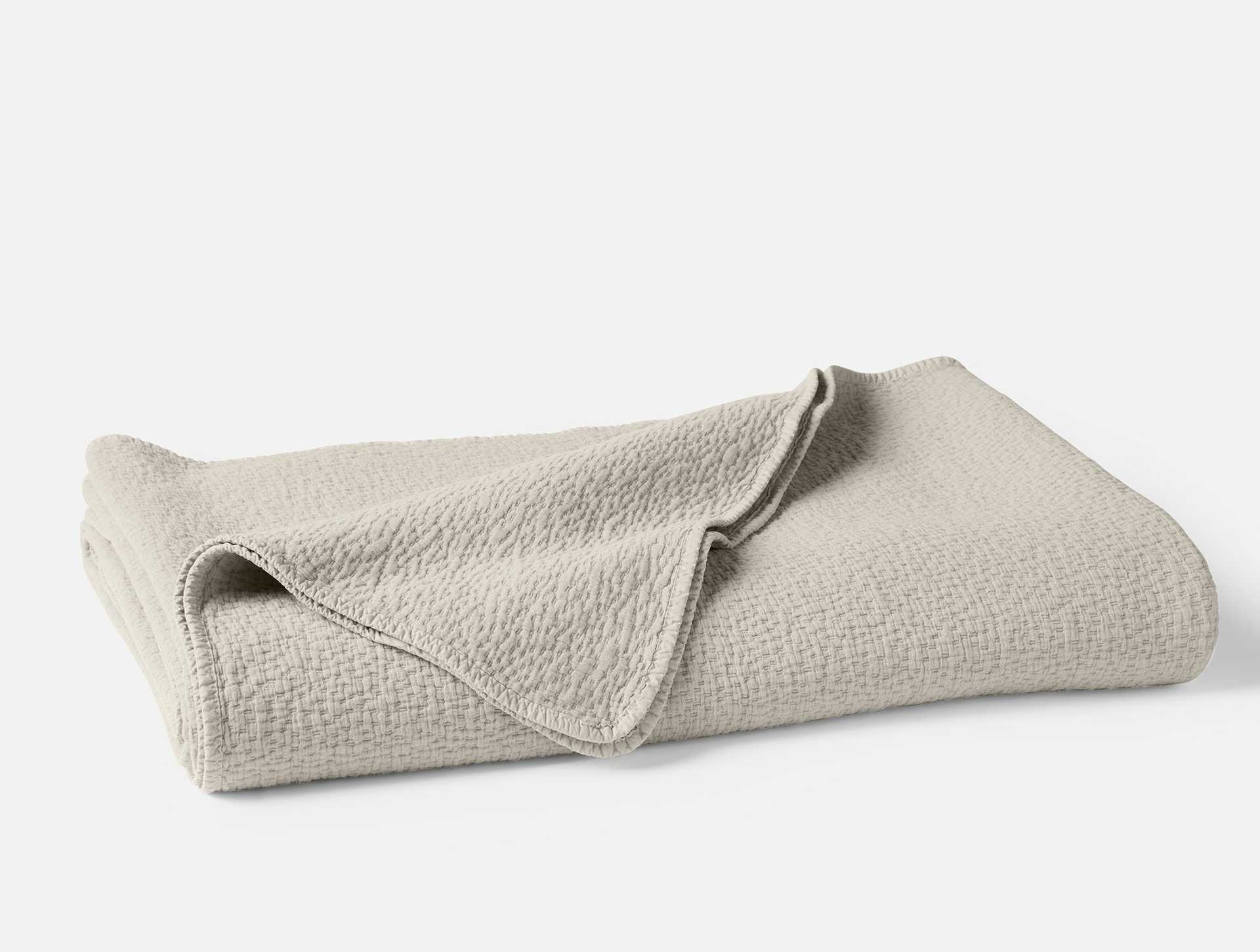
Matelassé textures, such as the Cascade Organic Matelasse Coverlet, offer a quilted look with a lighter feel and structured warmth. These covers typically feature a durable weave that traps gentle heat without bulk, making them suitable for year-round use. Organic options emphasize natural fiber compatibility and sustainable production while preserving softness and integrity over time.
Key features to evaluate include fabric weight, breathability, and care requirements. Natural fibers like cotton provide moisture management and softness, while organic certifications reassure fiber provenance. Construction details, such as stitch density and edge finishing, influence drape, resilience, and the ability to layer with other bedding components like down comforters and pillow ensembles.
The Cascade Organic Matelasse Coverlet demonstrates how specific design choices affect usability. Its matelassé pattern offers a tactile surface with a subtle sheen, enhancing room ambiance without overpowering other textiles. Functional benefits include easy folding for warmth variation, compatibility with light duvets, and straightforward care routines that support longevity.
In practice, selecting a bed cover involves aligning texture, warmth, and maintenance with sleeping habits and room conditions. Consider climate, allergen sensitivity, and laundering preferences when integrating with existing bedding such as duvet covers, comforters, and pillows. A thoughtful combination improves sleep quality and bedroom harmony while preserving the integrity of materials and style.
 Bedding