Bedding & bedroom style
Inside Organic Cotton Fill: Weight, Quilting, and Bedroom Styling
Organic cotton-filled bedding can bring breathable comfort and a softly structured look to your bedroom. Here’s how fill weight, quilting, shell fabric, and thoughtful styling work together to shape warmth, drape, and the feel of the bed.
A comforter can change the character of a bedroom in an instant. It adds a layer of warmth, softens the lines of a mattress, and sets the stage for everything from crisp, pared-back styling to a more relaxed, layered retreat. When the filling is cotton, that effect often feels grounded and reassuring: a little more substantial than a lofty down layer, with an easy, natural drape that suits everyday living.
Yet “cotton-filled” does not describe a single experience. The amount of batting, the way it is quilted, the weave of the outer fabric, and even how the comforter is cared for all shape how it feels and looks. Understanding those details helps you choose organic cotton bedding that fits your sleep preferences—not just a look you admire in a styled bedroom.
This guide explores the practical design choices behind an organic cotton comforter, from fill weight and quilting to fabric feel and bedroom styling. The goal is a bed that looks inviting and works for the way you actually sleep.
What organic cotton fill brings to the bed
In a comforter, cotton batting is the soft filling layer enclosed by the outer shell. Organic cotton fill offers an alternative to down, wool, silk, or synthetic fiber, and it tends to create a more substantial hand than very lofty fills. Depending on its weight and construction, it may feel softly padded, gently weighted, or relatively light and easy to layer.
For many sleepers, the appeal is as much about feel as fiber. Cotton can give a comforter a relaxed, familiar character: less cloudlike than high-loft down, but still comfortable and cushioning. It can also be appealing to people who prefer plant-based fibers or want to coordinate the filling with a cotton shell. Fiber choice alone, however, does not guarantee a particular temperature experience. The full construction, room climate, sleepwear, and personal preferences all matter.
It is also useful to distinguish the filling from the shell. A comforter might have organic cotton batting inside and a cotton exterior, but those materials and their certifications should be considered separately. The fiber content, processing, construction, and care label together give a clearer picture than a broad “natural” description.
Fill weight: the clue behind warmth and structure
Comforter fill weight usually describes how much filling is used in a particular size or area. When comparing options, check how the manufacturer reports it: total fill weight, weight per square yard, or another measure. Figures are only useful when they refer to comparable sizes and units.
In broad terms, more cotton batting often creates a fuller, heavier feel, while less batting can make the comforter easier to fold and layer. But fill weight does not tell the whole story. Cotton’s warmth and drape are also influenced by the batting’s density, the stitching pattern, the shell fabric, and how the layers are assembled. A generously filled comforter with a breathable shell may feel different from a lighter design with a tightly woven cover.
A practical way to compare fill
- Look for the unit: Confirm whether the stated weight is total fill, fill per area, or a product weight that includes the shell.
- Compare like with like: A larger comforter naturally uses more material, so compare the same size whenever possible.
- Think about your room: Bedroom temperature, heating habits, and seasonal changes can influence the warmth you need.
- Consider your own comfort: Some sleepers prefer a light covering; others enjoy a more substantial layer. Neither preference is universal.
When a product description does not provide a clear fill-weight figure, look for other useful details: whether the comforter is described as lightweight or substantial, the fill material, the construction, and any care limitations. If a number is important to your decision, ask the retailer or manufacturer to clarify exactly what it measures rather than treating different specifications as interchangeable.
Quilting keeps cotton batting in place
Quilting is more than a decorative flourish. Its seams divide the comforter into sections and help keep batting from shifting during use. A well-designed pattern supports a more even surface over time, while also giving the bed a distinct visual rhythm.
Diamond stitching creates a classic grid that reads as casual and handcrafted. Squares or baffle-like sections can give a bed a more orderly, tailored appearance. Channel quilting brings linear definition, while closely spaced stitching tends to create a flatter, more structured surface. The details vary by product, so it is worth checking how the comforter is actually constructed rather than assuming a pattern tells you everything about its warmth or durability.
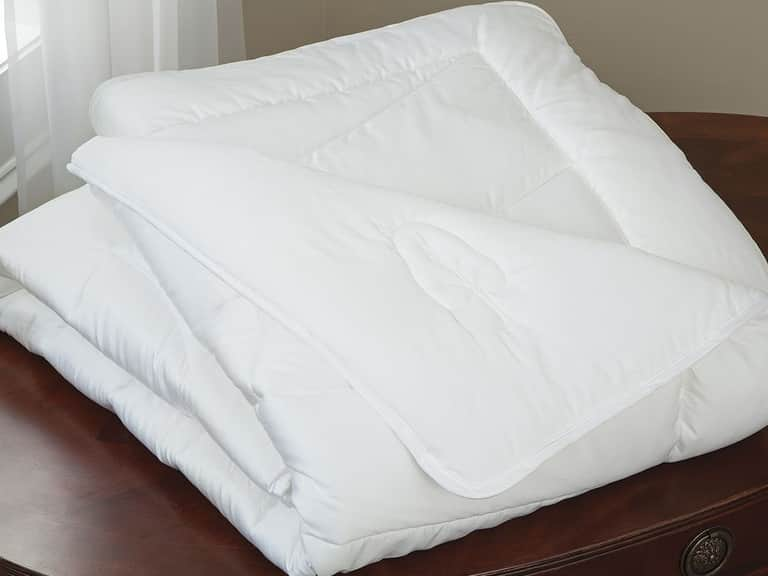
One example is the Organic Quilted Cotton Comforter, which uses certified organic cotton filling in a GOTS-certified cotton fabric and artisan quilting to hold the batting in place. The construction is intended for sleepers who prefer a more substantial layer. As with any comforter, confirm the current care instructions and product specifications before making a decision.
Stitching can influence the comforter’s surface, but it does not make one design automatically better than another. The right choice depends on the feel you want and how the piece will be used. If you plan to place a duvet cover over it, the quilting may be less visible, though it still helps secure the filling within the comforter.
The shell changes the feel and finish
The shell is the fabric that surrounds the filling, and its weave can make a noticeable difference at the bed. Percale often has a crisp, matte character; sateen generally feels smoother and may have a subtle sheen. Neither is inherently more comfortable for everyone. The best choice depends on touch preferences, climate, maintenance, and the look you want.
Shell density and finish also affect how the comforter drapes. A lighter, softer cover may fall loosely over the mattress, while a firmer or more substantial shell can give the bed a cleaner outline. Think of the cover and fill as a partnership: batting determines much of the comforter’s body, while the shell shapes its surface and movement.
Check whether the shell’s fiber content matches your priorities. If organic certification matters, look for clear information about which component is certified—the filling, the shell, or both. Certifications can help you understand stated standards, but they are not a substitute for reading the full material and care details.
How cotton-filled bedding compares with other fills
Organic cotton batting is one of several possible comforter fillings. Comparing it with other fibers can help clarify whether its weight, texture, and care needs suit your bedroom.
- Cotton: Often offers a grounded, substantial feel and a soft, structured drape. Fill weight and quilting are especially important clues to how a cotton comforter will feel.
- Wool: Commonly chosen for its natural resilience and moisture-managing qualities. Wool care can be specific, so always follow the garment or product label.
- Down: Known for lofty insulation and a light feel. Construction and fill power can affect loft, while sourcing and care details may be important considerations.
- Silk: Often associated with a fluid drape and lightweight feel. Some silk-filled comforters call for professional cleaning, while care varies by design.
- Lyocell or other manufactured fibers: Can offer a smooth hand and practical moisture-management features. Review the fiber source, construction, and care information rather than relying on a general label.
There is no single best fill for every sleeper. If you tend to sleep warm, you may want to prioritize a lighter construction and an appropriately breathable shell. If you enjoy a more enveloping bed, a weightier cotton comforter may feel appealing. Material descriptions are helpful starting points, but personal preference and the room environment remain central.
Care matters: protect the comforter you choose
A comforter’s care requirements are part of its everyday practicality. Some cotton-filled options can be machine washed, while others may need a more cautious approach. Check the label for water temperature, cycle, detergent, drying method, and any restrictions before washing. A care routine that ignores the manufacturer’s instructions can cause shrinkage, distortion, or uneven batting.
A duvet cover can provide a washable barrier against routine dust and spills, reducing how often the comforter itself needs cleaning. Look for corner ties or loops that secure the insert and help limit shifting inside the cover. If your comforter has no attachment points, careful arranging may still help, but a compatible cover is easier to manage when it is designed for the insert.
For spot cleaning, use only methods permitted by the care instructions and test any cleaning approach discreetly where appropriate. Allow the comforter to dry thoroughly before making the bed or storing it. Damp filling can hold an unpleasant odor and may not dry evenly when trapped under bedding.
If you are choosing a comforter for a guest room or a frequently used bed, ease of care may be as important as fiber preference. A slightly less delicate option that suits your laundry routine can be a more satisfying choice over the long term.
Style the bed around texture, not just color
Organic cotton bedding can anchor a bedroom because its surface tends to look quietly tactile. Rather than relying on a dramatic print, build interest through layers: a smooth sheet, a quilted comforter, a softly woven blanket, and a few cushions in complementary textures. The effect can feel considered without being overly formal.
Begin with a palette that suits the room. Warm whites, sand, clay, olive, and muted rust can create an earthy atmosphere. Cooler neutrals, pale blue, or soft green can make the space feel fresh. A simple foundation allows the quilting and fabric surface to do more of the visual work, while a color accent—perhaps on a pillow or throw—adds a personal note.
To keep the bed from feeling flat, vary texture while keeping the color story focused. Pair a matte cotton shell with a knit blanket or a lightly rumpled coverlet. A velvet accent pillow can introduce a richer finish, while a small patterned cushion adds character without competing with the comforter. The aim is balance: one or two noticeable textures are often more inviting than a collection of unrelated surfaces.
Proportion matters, too. A comforter that falls close to the mattress creates a neat, tailored look; extra overhang feels more relaxed and generous. Make sure the chosen size works with the bed frame and any surrounding furniture. Decorative pillows can add depth, but leave enough room for the bed to remain comfortable and easy to use.
A room-by-room comfort check
The ideal organic cotton comforter is not chosen in isolation. Consider the bedroom as a whole: airflow, window coverings, heating, mattress height, and how bedding is stored all shape the final experience.
- For a warmer room: Consider a lighter fill and breathable sheet layers so you can adjust the bed without replacing the whole set.
- For a cool room: A more substantial comforter or an additional blanket may provide the enveloping feel you prefer.
- For a shared bed: If sleepers prefer different levels of warmth, separate lightweight layers on each side can make adjustment easier.
- For a small bedroom: Choose a calm palette and limit decorative layers so the bed feels welcoming rather than visually crowded.
These are styling and comfort considerations, not universal rules. A person’s sleep needs can change across seasons, and what feels cozy in one home may feel too warm or too light in another. Keep the setup flexible enough to adapt.
A simple checklist before choosing
Before settling on a comforter, use this short checklist to connect the product details with your everyday habits:
- Confirm the filling and shell materials separately.
- Check what the listed fill weight measures and compare equivalent sizes.
- Review the quilting pattern and whether it is designed to keep the batting evenly distributed.
- Read the complete care label, including drying instructions.
- Look for clear certification information if organic standards are a priority.
- Picture the comforter with your sheets, coverlet, pillows, and room palette.
Good bedding is both sensory and practical. A comforter may look beautiful, but it should also suit your warmth preferences, fit the bed, and be manageable to care for. Taking a moment to compare specifications can prevent a mismatch between the bedroom you imagined and the one you live in every day.
The finishing touch: a bed that feels like yours
Organic cotton fill brings a particular kind of ease to a bedroom: soft structure, a grounded feel, and room to style the bed in layers. Fill weight helps indicate how substantial a comforter may feel, quilting keeps the batting in place and defines its surface, and the shell determines much of the hand and drape.
Those details are most useful when considered together. Choose a weight that fits your sleep habits, a construction that suits your preferred look, and care instructions you can realistically follow. Then let color, texture, and proportion make the room feel personal. The result does not need to be elaborate. Often, a thoughtfully chosen comforter and a few well-balanced layers are enough to make bedtime feel like a softer landing.