Understanding Texture Layering: How to Build Cozy, Visually Rich Rooms
A guide to layering tactile surfaces, finishes, and light to craft warmth, depth, and invitation in any space.
Texture layering is more than mixing fabrics; it’s a design philosophy that turns a space into a sensory experience. In cozy rooms, texture acts like a chorus—each material adds its own voice, harmonizing warmth, scale, and light into spaces that feel lived-in and lovingly curated. This article journeys through how to blend linen, wool, cotton, velvet, and more, while balancing durability, care, and accessibility. We’ll also hear from historical and contemporary voices who shaped the idea of tactile interiors, and we’ll spotlight a product that embodies the luxury of texture: the Savoy Silk Comforter with Silk Fiber Fill from DownTown Company.
Keywords driving this exploration include texture layering, cozy interior design, interior design principles, soft furnishings, color and texture, and home decor guidance. The goal is to empower readers—whether beginners or seasoned decorators—to build rooms that feel like a warm embrace rather than a curated showroom.
1) The Philosophy: Why Texture Matters in Cozy Design
Texture is the unspoken language of warmth. A monochrome palette can feel flat without variation in tactile cues. Layering texture adds depth, catches light differently, and invites touch. Think of a room as a quilt of sensations: the soft friction of a wool throw against skin, the crisp surface of a linen sofa, the quiet glow of a velvet cushion under lamplight, and the nuance of a woven rug underfoot. The goal isn’t to overwhelm but to create a surface hierarchy—larger, calmer textures form the base while smaller accents bring punctuation and personality.
Start with a neutral base, then introduce tactile surfaces that contrast in weight and sheen. A cozier room often pairs natural fibers with engineered fabrics that wash well and resist pilling. The philosophy embraces intentional imperfection: a cushion slightly mismatched in mood can feel more human and welcoming than a perfectly matched set. It’s about warmth, not rigidity.
- Material balance: pair breathable cottons with denser weaves like wool or boucle to add warmth without heaviness.
- Finish variety: mix matte, satin, and brushed finishes to create subtle shifts in response to light.
- Scale and repetition: repeat a few textures across different elements to create cohesion without clutter.
2) Layering Strategies by Room
Living Room: The living room is the studio for texture layering. Begin with a soft foundation—an oversized sofa in a natural weave like linen or cotton—then add depth with textiles at different weights. A wool throw, a velvet accent pillow, and a cotton-sateen drapery panel can transform the same space from day to evening simply by shifting lighting and accessories.
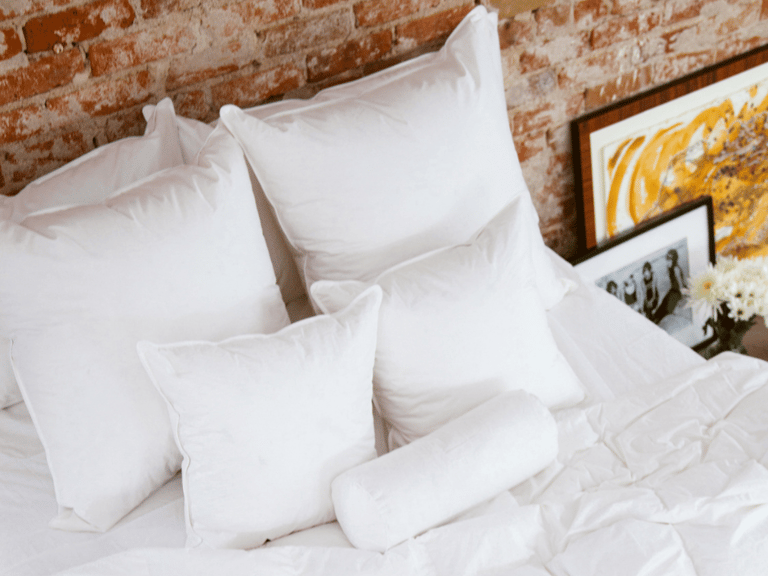
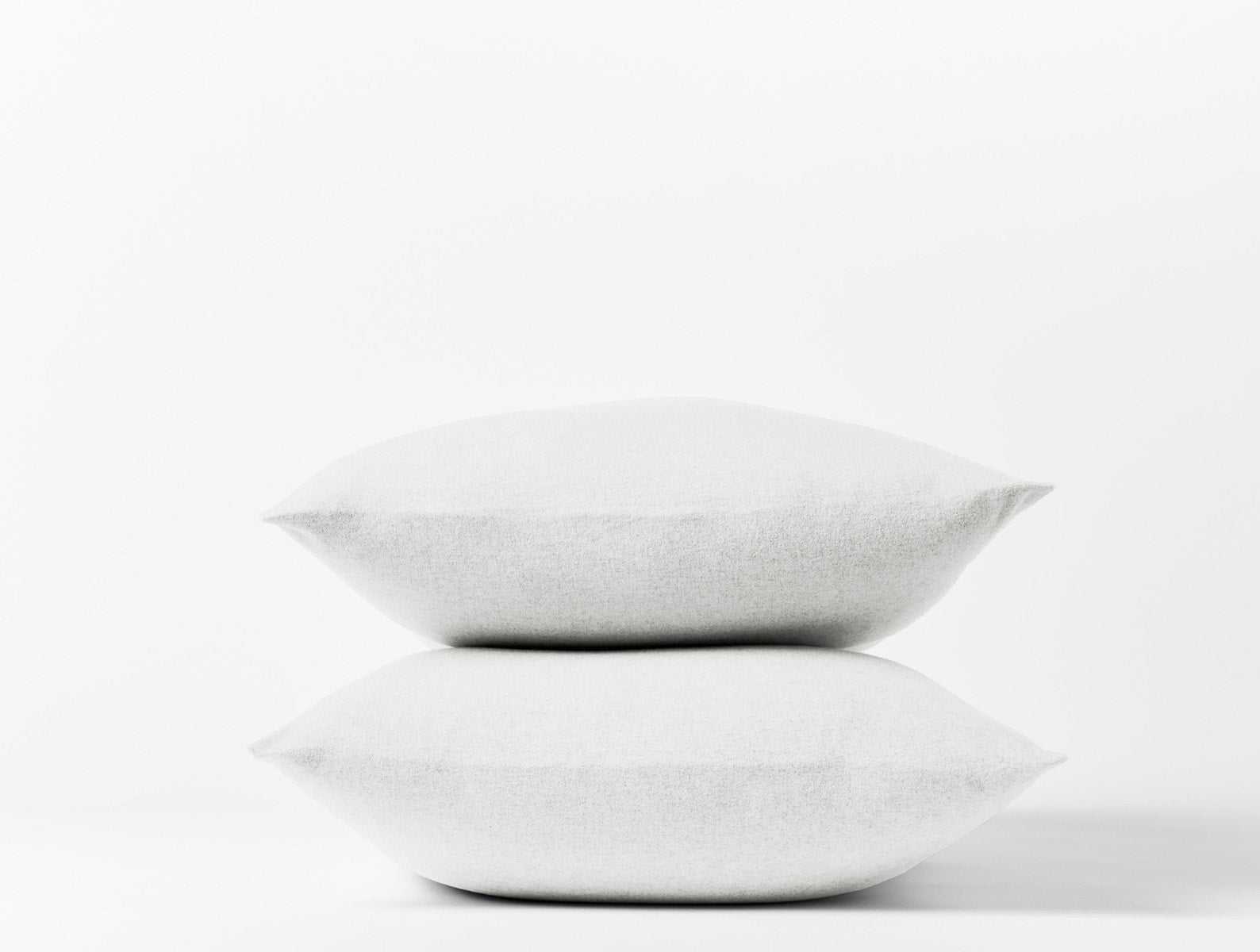
Bedroom: The bedroom is where texture sews calm. A cloud-soft duvet or comforter, paired with a quilted cotton coverlet and a wool blanket at the foot of the bed, creates a layered board of warmth. Don’t forget soft, breathable pillow covers and cases; they set the initial tactile mood as soon as you approach the bed.
Dining Area: Even dining spaces benefit from texture. A wool or linen upholstered chair, a raw cotton runner, and a woven rug underfoot can soften the dining experience, making meals feel intimate and inviting.
- Base: neutral linen or cotton sofa
- Layer: wool throws, boucle pillows
- Accent: velvet or brushed cotton for cushions
- Sheet set: cotton sateen or percale
- Comforter: wool, silk, or eco-friendly fill
- Throws: knit or brushed flannel
3) Materials Spotlight: Linen, Wool, Cotton, Velvet
- Linen brings breathability and a crisp hand. It adds texture without too much weight, ideal for warmer climates or layered looks. - Wool provides natural insulation and moisture-wicking, lending a cozy, ever-present warmth. - Cotton, especially in sateen or percale, offers versatility and easy care while delivering soft, skin-friendly surfaces. - Velvet introduces a luxe sheen and depth; use it sparingly as an accent to avoid overpowering a space.
To illustrate how these materials interplay in real rooms, consider curated examples from brands that epitomize texture-forward design. Coyuchi offers linen and cotton options with a tactile honesty; Sferra’s luxe textiles provide a touch of couture; and Downtown Company’s textiles demonstrate refined, durable finishes suitable for everyday wear and tear. These references show how texture can be elevated from decoration to daily comfort.
4) Color Theory Intertwined with Texture
Texture and color are a dynamic duo. A calm, cozy space often relies on a muted, cohesive color family (grays, beiges, soft taupes) with selective color accents. Texture helps convey warmth even when the color palette stays restrained. For instance, a taupe sofa can radiate warmth when paired with a plush sheepskin throw, a boucle lumbar pillow, and a drapery panel in a slightly different shade.
Seasonality can guide texture changes without deep rebranding. Light-weight fabrics in spring and summer can be swapped for heavier weaves in autumn and winter. This approach keeps the room feeling fresh while maintaining a comforting core).
5) A Practical Guide for Beginners: Quick Texture Upgrades
- Start with a single base texture and one or two accent textures. For a living room, try a linen sofa with a wool throw and a velvet cushion. - Add a rug with a different texture to anchor the space and absorb sound. - Consider maintenance: choose durable, easy-care fabrics for high-traffic zones. - Use lighting to emphasize texture: side lamps or uplights can highlight the tactile surfaces you’ve chosen.
6) A Portrait Through Time: Three Key Voices on Texture and Comfort
Texture as lived experience has resonated through designers across centuries. Here are three influential figures who illustrate texture’s enduring role in interior aesthetics:
- Mid-20th Century: Florence Knoll — A proponent of clean lines and thoughtful materiality, Knoll’s approach to furnishings emphasized comfort through proportion and texture, showing that materials can punch above their weight in modernist spaces.
- Late 18th–Early 19th Century: William Morris — A pioneer of the Arts and Crafts movement, Morris celebrated natural materials and hand-crafted textures, pushing for warmth and tactility as a counterbalance to industrialization.
- Contemporary: Axel Vervoordt — A modern decorator whose signature look blends rustic textures with soft light, creating interiors that feel ancient and comforting at once by layering textures across rough-hewn timbers, linen, and muted velvets.
These figures show that texture isn’t merely surface-level—it's a language that communicates warmth, history, and personal identity in space. Their legacies live on in the curated use of natural fibers, layered textiles, and mindful lighting, all of which contribute to the cozy rooms that feel like a daily embrace.
7) A Curated Shop-Ready Moment: Savoy Silk Comforter
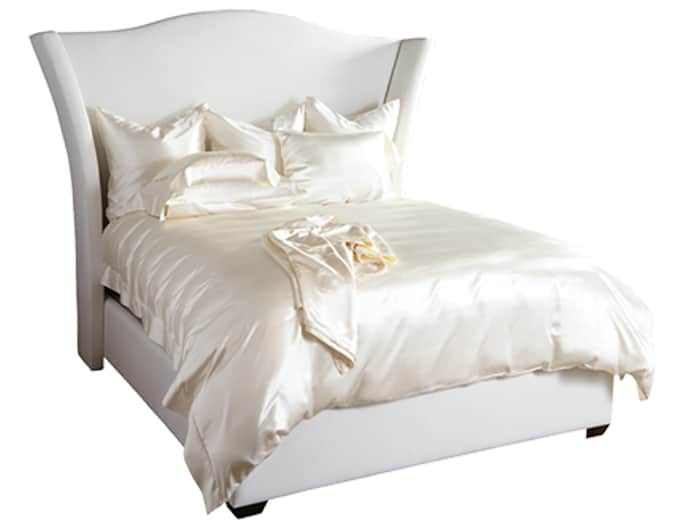
Texture and luxury can converge in a single, standout piece. The Savoy Silk Comforter with Silk Fiber Fill by DownTown Company exemplifies how texture and craftsmanship translate to a tangible experience. Crafted in Germany with silk fill, this comforter offers breathable, lightweight warmth and a satin-smooth feel. Its quilted pattern and ivory tone deliver a refined aesthetic that can anchor a room’s texture narrative without overwhelming the space. Washable and dryable, it pairs practicality with opulence—a perfect example of how texture can be elevated to a daily luxury.
Savoy Silk Comforter with Silk Fiber Fill
Brand: DownTown Company • Price: 3394.00 USD
Description: A luxurious silk-filled comforter with a satin-smooth finish, featuring an elegant quilted pattern in a timeless ivory tone. It is washable and dryable for everyday practicality, marrying couture craft with real-world care.
Key textures: silk, satin shell, quilted stitching for balanced loft and drape.
8) Accessibility, Inclusivity, and the Texture-Forward Home
Texture-first design should be accessible to a broad audience. That means choosing materials with clear care instructions, durable finishes, and affordable entry points. It also means presenting inclusive content—guides for small spaces, renters, and varying budgets—to ensure everyone can create a cozy, textured home. Our approach emphasizes practical choices that feel premium without being intimidating.
9) The Content Roadmap: Bringing Texture Layering to Life
To help readers apply these principles, here are examples of content pillars you’ll find on CreativeComforters.com:
- How-to guides: room-by-room texture layering, lighting strategies, and comfort-first layouts.
- Design principles explained: color theory for coziness, texture pairing for warmth, and scale/proportion in layered spaces.
- Mood boards and downloadable palettes: ready-to-use textures and color pairings for different seasons.
- Seasonal and themed content: holiday coziness, spring refresh, and small-space optimization.
- Printable resources: space-planning worksheets, texture checklists, and care guides.
The article also connects readers with a curated product ecosystem—think textiles and textiles-only finds like the Savoy Silk Comforter—so readers can translate inspiration into tangible purchases or experiences.
10) A Note on the Structure and Reading Experience
The article reflects a magazine-like cadence: sweeping descriptive passages, then practical tips, then historical context. The tone is warm, aspirational, and conversational—mirroring People magazine’s approach to lifestyle features: accessible, human, and engaging. The goal is to keep readers returning for thoughtful, editorial-grade content that also feels actionable in real spaces.
11) Final Thoughts: Texture as a Living, Evolving Story
Texture layering is a continuous conversation with your space. It invites experimentation, celebrates materials, and honors comfort as a design principle. By embracing texture as both aesthetic and functional, you can craft rooms that feel curated yet cozy—rooms that invite you to sit, touch, and linger. The textures you choose—linen, wool, cotton, velvet, and silk—become the diary of your home’s personality, a tactile map of how you live, love, and rest.