Bedding · Winter bedroom styling
Flannel Pillowcases for Cooler Nights: Texture, Warmth, and Everyday Care
When the evenings turn chilly, the bed’s smallest details can make a surprisingly big difference. Flannel pillowcases bring a soft, brushed feel to the place you settle in first, adding a touch of warmth without requiring a full bedroom makeover. Here’s how to understand the fabric, style its cozy texture, and care for it so it stays welcoming night after night.
Why flannel feels like a winter welcome
There’s a particular pleasure in slipping into a bed that feels ready for a cold night. Crisp sheets can be lovely, especially when the weather is warm, but they may feel cool against the skin when the room temperature drops. Brushed cotton flannel offers a different first impression: soft, gently fuzzy, and inviting from the moment your cheek meets the pillow.
That comforting handfeel comes from the fabric’s surface. In flannel, fibers are brushed to raise a fine layer of nap. This soft surface can hold a little air close to the fabric, helping it feel warmer and plusher than a smooth weave such as percale. The change is tactile as much as practical. Flannel feels less crisp and more relaxed—like a familiar favorite rather than a freshly pressed hotel bed.
Of course, fabric can’t guarantee a particular sleep temperature. Personal preference, room conditions, pajamas, and the rest of the bedding all contribute to how warm a bed feels. Still, for people who find a cool pillowcase unappealing in winter, flannel is a simple seasonal adjustment: one layer, a noticeable change in texture, and no need to replace every piece on the bed.
What brushed cotton feels like
Flannel is a fabric style rather than a promise that every pillowcase will feel exactly the same. The cotton, the way it is woven, the weight of the cloth, and the amount of brushing can all influence the finished surface. One version may feel light and softly brushed; another may have a more substantial, velvety touch. If you are comparing options in person, run your hand over the fabric and notice whether it feels airy, dense, smooth, or especially plush.
Weight can offer a useful clue, though it isn’t the whole story. A heavier flannel may feel more substantial and warm, while a lighter one can be easier to use through a longer stretch of the year. Brushing also matters: a soft nap can create that characteristic cozy sensation, but the effect should feel comfortable rather than rough or overly fuzzy. Construction details, including the seam finish and the quality of the fabric, add to how the pillowcase wears and looks.
Many flannel pillowcases are made from cotton, valued for its familiar, breathable feel and straightforward everyday use. If a product is described as organic cotton flannel, look for specific certification details when those matter to you. Terms such as “organic” and “natural” are not interchangeable with a particular certification, and labels can help clarify what standards a product has met. As with any bedding choice, it’s useful to read the care instructions and materials description rather than relying on a single phrase.
Expect the surface to soften and settle with use and washing, but don’t assume every change signals a problem. A little variation in handfeel is part of living with textiles. The aim is not to keep a pillowcase looking untouched; it is to choose a fabric you enjoy and care for it in a way that suits its construction.
Flannel versus percale: two different moods
Comparing flannel with percale is a helpful way to decide what you want your bed to feel like. Percale is known for a crisp, matte surface and a lighter, cool-to-the-touch impression. Flannel, with its brushed finish, feels warmer and softer at first contact. Neither is universally better. The right pick depends on the season, your preferences, and whether you like a bed that feels crisp or cocooning.
Some people enjoy keeping their smooth sheets and changing only the pillowcases when cooler weather arrives. Others prefer flannel across more of the bed for a consistent, snug feel. A mix can work beautifully, too: smooth sheets beneath the body, with flannel at the pillow for a softer landing. It’s a small styling decision that can also make the bed more personally comfortable.
If you sleep warm, live in a mild climate, or simply dislike a very plush surface, consider using flannel selectively or choosing a lighter-weight option. If you tend to feel chilly at bedtime, a more substantial brushed fabric may be appealing. There is no need to turn the choice into a rigid seasonal rule. A bedside room thermometer cannot tell you what feels pleasant to you; a few nights of trying different layers often can.
How to style flannel without overdoing the cozy
Flannel has visual texture as well as tactile softness. That’s part of its charm, but layering several heavy or strongly patterned fabrics can make a bed look busy. The easiest approach is to let one element provide the texture and allow the rest of the bedding to create breathing room.
Pairing flannel pillowcases with smoother sheets is a natural starting point. Cotton percale or sateen provides a contrast that makes the brushed surface stand out without asking every layer to compete for attention. A lightly textured duvet cover can also complement flannel. Think subtle weave, quiet quilting, or a restrained pattern rather than a stack of bold motifs.
Color offers another way to keep the bed feeling considered. Soft neutrals—warm white, oatmeal, stone, or muted gray—can make the fabric’s texture the main event. Deep forest green, rust, navy, and berry shades bring a richer seasonal note. If the pillowcases are patterned, keep the nearby layers simpler, perhaps repeating one color from the print in a blanket or coverlet. If they are solid, a small-scale pattern elsewhere can add character.
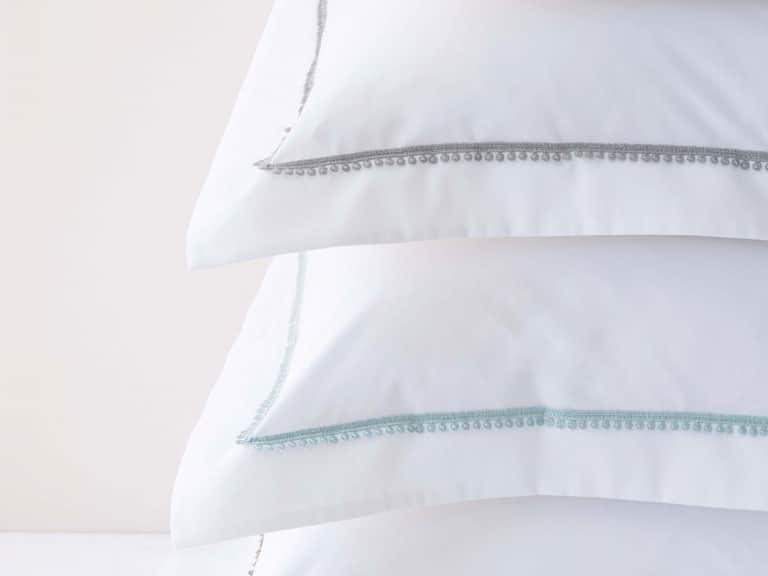
A tailored finish can balance the fabric’s relaxed feel. A simple self-hem—a finished edge made from the same fabric—keeps the pillowcase looking neat without introducing a decorative detail that competes with the surface. Crisp folds, aligned edges, and a thoughtfully chosen duvet cover can help the whole bed feel polished while remaining soft and informal.
- For a calm, understated bed: combine neutral flannel pillowcases with smooth, light-colored sheets and a simple duvet cover.
- For a seasonal accent: use a deeper flannel color against a pale sheet set, then echo that tone in one small detail.
- For a layered look: mix flannel with one additional texture, such as a knitted blanket, and keep the rest of the palette quiet.
- For a small bedroom: limit competing patterns so the extra texture feels inviting rather than visually crowded.
There is no need for a picture-perfect bed to make flannel work. A smooth sheet, a comfortable pillow, and a color you like are enough. The point is to make the room feel more welcoming to you—not to build a display that must be dismantled before bedtime.
Everyday care that helps preserve softness
Good bedding care starts with the label. Flannel can vary by fiber, finish, and construction, so the manufacturer’s instructions should be your guide. In general, gentle washing and timely drying are sensible habits for many cotton textiles, but a specific care label takes precedence. If the pillowcases are new, washing them before use according to their instructions can help remove packaging residue and bring the fabric to its intended feel.
Wash flannel with like colors, especially when it is new or strongly colored. Separating lights and darks reduces the chance of unwanted color transfer. A gentle cycle and a moderate amount of detergent are usually kinder to the fabric than an aggressive wash. Avoid crowding the machine: pillowcases need room to move through the water rather than being compressed into a packed load.
It’s also wise to avoid unnecessary friction. Washing flannel with items that have hooks, rough zippers, or abrasive surfaces may catch the nap or create excess lint. If the care instructions allow, wash pillowcases with other soft bedding. This simple bit of sorting can help protect the brushed finish and keep the fabric looking more even.
When the cycle ends, take the pillowcases out promptly rather than leaving them damp in the washer. A pile of warm, wet laundry can develop an unpleasant musty smell, and prolonged dampness is not a good habit for any bedding. Follow the label’s drying guidance, and avoid excessive heat unless the manufacturer specifically permits it. Over-drying can be hard on fibers and may leave fabric feeling less supple.
Flannel may shed some loose fibers, particularly early in its life. That does not automatically mean the fabric is defective. A lint filter can help capture what comes away during drying, and washing similar items together may keep stray lint off smoother fabrics. If shedding seems persistent or the surface changes markedly, review the product’s care directions and contact the maker if needed.
For day-to-day freshness, regular changes matter more than complicated routines. Pillowcases sit close to the face and hair, so many households change them as part of their normal bedding schedule, adjusting frequency for personal needs and preference. Letting bedding dry fully before making the bed helps avoid trapping moisture under the covers.
A simple seasonal bedding refresh
Switching to flannel pillowcases can be the first step in a thoughtful winter bedroom update. Before adding more layers, consider what is actually missing. Is the pillow cold when you first lie down? Does the room feel drafty? Is the bed too warm by morning? Small adjustments can often improve comfort without making the bed heavy or difficult to manage.
Try changing one element at a time. Start with the pillowcases, then notice how the bed feels over several nights. If you still want more warmth, consider a blanket at the foot of the bed or a duvet cover with a slightly more substantial texture. If you wake up too warm, remove a layer or return to smoother pillowcases. A flexible setup is more useful than choosing bedding based on the calendar alone.
Room conditions matter, too. Drafts, heating schedules, and humidity can shape how bedding feels. A bed that seems perfectly cozy in a chilly room might feel too warm after the heating comes on overnight. Making changes gradually lets you find a balance that works for your home rather than relying on a one-size-fits-all formula.
What to consider before choosing a pair
When shopping for flannel pillowcases, begin with the basics: size, fabric content, finish, and care. Check whether the cases fit the pillows you already own, especially if you use oversized or specialty pillows. Consider how the material will work with your existing sheets, duvet cover, and laundry routine. A lovely fabric that demands care you cannot realistically provide may not be the best everyday choice.
Then think about use. Do you want a dedicated cold-weather set, or pillowcases comfortable enough to stay on the bed for much of the year? Are you drawn to a lightly brushed surface or a plush feel? Would a quiet solid color blend easily with what you own, or would a small pattern bring welcome personality? These answers can make the selection process more useful than chasing a particular thread count or trend.
Labels and product descriptions may use different measurements to describe fabric weight, and those numbers do not always tell the whole story. If weight is listed, compare products with similar measurement conventions rather than assuming every figure is directly interchangeable. Feel, construction, and care details all deserve a place in the decision.
Finally, leave room for personal preference. One person’s idea of cozy may be another person’s idea of too warm. Flannel is appealing because it changes the mood of a bed with a relatively small adjustment, not because it has to be the right choice for every sleeper or every night.
The comfort of a small change
A fresh bedroom atmosphere does not always require a dramatic redesign. Sometimes it begins with a warmer surface, a softer color, or a bed that feels a little more inviting when the weather turns. Flannel pillowcases bring texture and a gentle sense of insulation to that first moment of settling in, while still pairing easily with familiar sheets and duvet covers.
Choose a weight and finish that suit your preferences, style the brushed texture alongside smoother layers, and follow the care label to keep the fabric feeling good. The result can be a bedroom that looks thoughtfully seasonal without feeling overworked. When the nights are cool, that simple comfort is its own kind of luxury.